
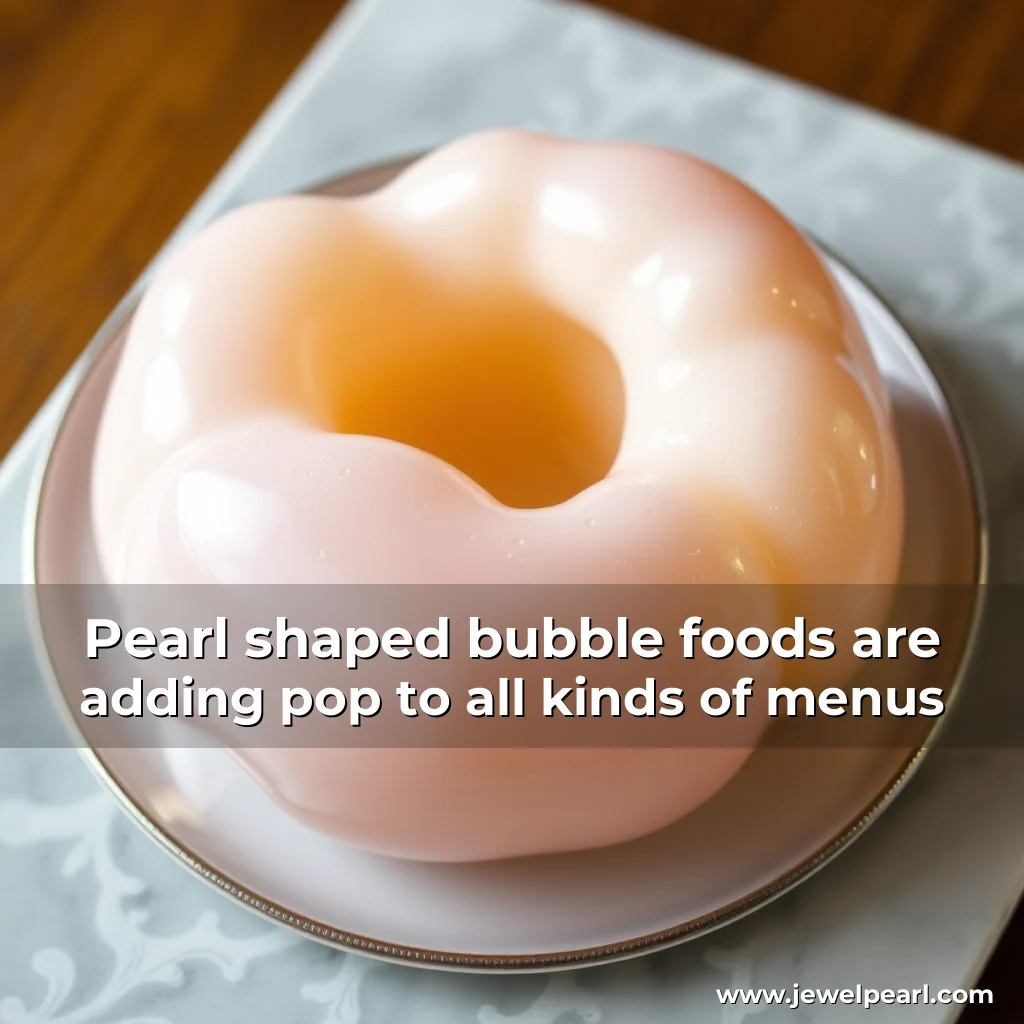
They have been a staple in many cultures for centuries, providing a fun and tasty way to enjoy a meal.
The finger lime is a type of citrus fruit that is native to Australia and is often used in modern Australian cuisine.
The Benefits of Fish Roe
Fish roe is not only delicious, but it is also packed with nutrients.
The flesh inside is a vibrant green and contains hundreds of tiny, round, and bursting with juice, caviar-like pearls. The Finger Lime: A Fruit of Unparalleled Flavor and Versatility The finger lime, also known as the citron caviar lime, is a small, citrus fruit native to Australia and Southeast Asia.
You can also buy boba tea at some grocery stores and online retailers.
Cultural Significance
Boba tea has become an integral part of many cultures around the world, particularly among young people.
The Science Behind Spherification
Spherification is a process that involves the use of sodium alginate and calcium chloride to create small, round, and bouncy balls of liquid. This process is also known as reverse spherification, as it involves the use of calcium to break down the sodium alginate and create the desired shape. The sodium alginate is derived from seaweed and is commonly used as a thickening agent in food products. When mixed with water, the sodium algine forms a gel-like substance that can be shaped into various forms. To create the spherification process, the sodium alginate solution is mixed with water and then dropped into a bath of calcium chloride. The calcium ions in the bath react with the sodium alginate, causing it to break down and form a membrane around the liquid droplet. This membrane is what gives the pearls their characteristic bouncy texture. The reaction between the sodium algine and calcium ions is a complex one, involving the formation of a calcium alginate complex.
The Art of Mozzarella Making
Mozzarella is a staple in Italian cuisine, and its production is an art form that requires precision and patience.
She is a registered dietitian and has written for various publications including The New York Times, Bon Appetit, and Food52. Katie Workman is a registered dietitian and food writer who has made a significant impact on the world of food and nutrition.