
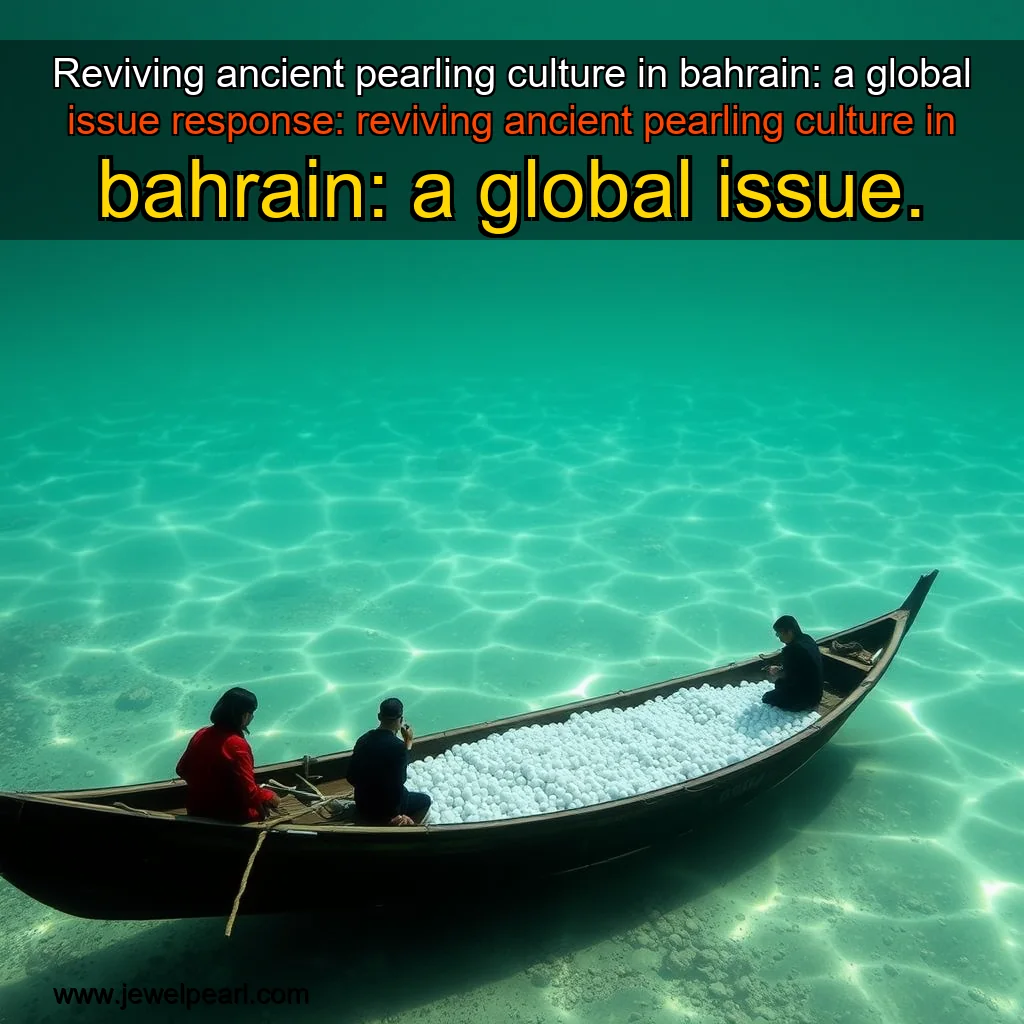
The decline was so severe that it took Bahrain to adopt a new economic strategy to survive.
The Decline of Pearling in Bahrain
The pearling industry was a significant contributor to Bahrain’s economy for centuries. The island nation’s strategic location in the Persian Gulf made it an ideal place for pearl divers to operate. The industry’s importance was further amplified by the fact that pearls were highly valued in the region. However, the perfection of cultured pearls by Japan in the 1930s marked the beginning of the end for Bahrain’s pearling industry.
The Impact of Cultured Pearls
Cultured pearls were a game-changer in the pearl industry.
The Evolution of Diving in Bahrain
Diving in Bahrain has undergone significant changes over the years. Gone are the days of traditional pearl diving, where divers would dive to great depths in search of oysters and pearls. While traditional diving is still practiced, it’s no longer the primary method of pearl production.
The Shift to Modern Methods
In recent years, the diving industry in Bahrain has shifted towards more modern and sustainable methods. This shift has been driven by the need to conserve marine resources and reduce the environmental impact of traditional diving practices. The introduction of new technologies, such as underwater cameras and remotely operated vehicles (ROVs), has enabled divers to explore and harvest pearls more efficiently and effectively. The use of sustainable fishing practices and marine protected areas has helped to reduce the impact of diving on the marine ecosystem.
The decline of pearling has led to a loss of cultural heritage and a sense of disconnection from the traditional way of life.
The Economic Impact of the Decline of Pearling
The decline of pearling has had a significant economic impact on Bahrain. The pearling industry was a major source of employment and revenue for the country. The industry employed thousands of people, both on land and at sea, and generated significant revenue through the sale of pearls. The pearling industry was a significant contributor to Bahrain’s GDP, accounting for around 10% of the country’s total GDP. The industry also generated significant revenue through the sale of pearls, with the country exporting pearls to countries around the world. The decline of pearling has led to a significant reduction in employment opportunities, with many people losing their jobs as a result of the decline.
The Cultural Impact of the Decline of Pearling
The decline of pearling has also had a significant cultural impact on Bahrain. The pearling industry has been an integral part of Bahraini culture for centuries, and its decline has led to a loss of cultural heritage and a sense of disconnection from the traditional way of life. The pearling industry has been a major part of Bahraini identity, with many people tracing their ancestry back to pearl divers. The decline of pearling has led to a decline in traditional skills and knowledge, as younger generations are not learning the traditional skills and practices of the industry.
Pearling was a vital industry in Bahrain for centuries, shaping the country’s history and culture.
The Pearling Path: A Window into Bahrain’s Rich History
The Pearling Path, a historic site in Bahrain, is a testament to the country’s rich maritime history and the pearling tradition that once dominated the Gulf region. The site has been inscribed as a World Heritage Site by UNESCO, recognizing its significance as the only complete example of pearling cultural tradition.
The Significance of Pearling in Bahrain’s History
Pearling was a vital industry in Bahrain for centuries, with the country’s strategic location in the Gulf making it an ideal place for pearling.
Dive into the ancient art of pearl diving, where skill and knowledge meet the thrill of the hunt.
They were taught the skills and techniques necessary to become successful pearl divers.
The Origins of Pearling
Pearling has a long history that dates back thousands of years. The earliest recorded evidence of pearl diving comes from the ancient civilizations of the Persian Gulf and the Indian Ocean. The practice of pearl diving was initially used for trade and commerce, with pearls being highly valued for their beauty and rarity.
The Art of Pearl Diving
Pearl diving is a highly specialized and physically demanding activity that requires great skill and knowledge. Divers must be able to navigate the underwater environment, locate oysters, and extract the pearls without causing damage to the oysters or the pearls themselves.
“Now, seven years down the line, many Bahrainis have reconnected with this heritage. Over 1,000 divers are now registered and dive regularly to create an income for themselves.”